Neurofeedback Training: A New Hope for Chronic Pain Relief
Updated: Sep 8
Chronic pain affects how the brain processes signals. Discover how neurofeedback training in Huntington Beach helps calm pain, reduce tension, and support lasting relief.
Understanding Neurofeedback Training
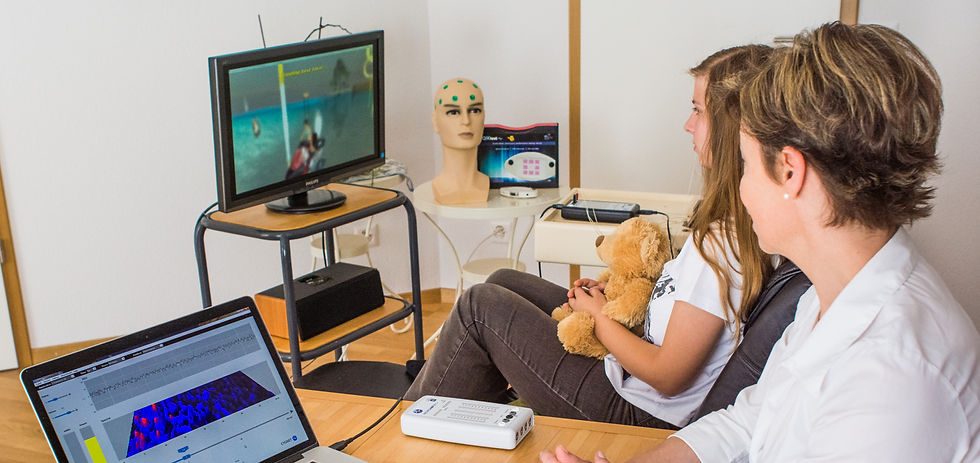
Neurofeedback training is a type of biofeedback that focuses on the brain's electrical activity. It uses real-time displays of brainwave patterns to modify brain function. During a session, sensors placed on the scalp measure brainwaves, and the information is fed back to the person through visual signals.
This feedback helps the brain learn to produce healthier patterns. As a result, it can improve emotional regulation, cognitive function, and physical symptoms, including pain. Unlike medication, neurofeedback targets the root of the problem by retraining the brain rather than masking symptoms.
How Neurofeedback Helps with Pain Relief
Pain is not just a physical sensation; it involves complex brain processes. Chronic pain can alter brain activity, leading to heightened sensitivity and difficulty managing discomfort. Neurofeedback training aims to restore comfort in clients.
Here’s how neurofeedback supports pain relief:
Regulates brain activity linked to pain perception
Neurofeedback can reduce overactivity in areas of the brain responsible for amplifying pain signals.
Improves emotional response to pain
By enhancing brain regions involved in mood and stress regulation, neurofeedback helps reduce anxiety and depression that often accompany chronic pain.
Enhances relaxation and reduces muscle tension
Training the brain to enter calmer states can ease muscle tightness and improve overall comfort.
Promotes neuroplasticity
The brain’s ability to change and adapt means neurofeedback can create lasting improvements in how pain is processed.
Conditions That May Benefit from Neurofeedback for Pain Relief in Huntington Beach
Neurofeedback training has shown promise for various types of pain, including:
Migraines and headaches
Training brainwaves may decrease the frequency and severity of migraine attacks.
Back pain
Chronic back pain sufferers may find relief by retraining brain areas involved in pain perception.
Neuropathic pain
Neurofeedback can assist in managing nerve-related pain by calming overactive brain regions.
What to Expect During Neurofeedback Sessions
A typical neurofeedback session lasts 45 minutes for pain relief in Huntington Beach. The process includes:
Training
Sensors placed on the scalp monitor brain activity. The client receives feedback through visual displays that guide desired brainwave patterns.
Progress tracking
Over multiple sessions, improvements in brain function and pain symptoms are monitored.
Most people notice gradual changes after several sessions. Consistency is key, with many treatment plans recommending 20 to 40 sessions for optimal results.
Advantages of Neurofeedback Over Traditional Pain Treatments
Neurofeedback offers several benefits compared to medications or invasive procedures:
Non-invasive and drug-free
No side effects or risk of dependency.
Personalized approach
Training targets individual brain patterns, making it tailored to each person’s needs.
Long-lasting effects
By changing brain function, neurofeedback can provide sustained pain relief.
Improves overall well-being
Many patients report better sleep, mood, and cognitive function alongside pain reduction.
Supporting Research and Evidence
Research on neurofeedback for pain relief is growing. Studies have found:
A 2019 study published in Frontiers in Human Neuroscience showed that neurofeedback reduced pain intensity in fibromyalgia patients by improving brain connectivity.
Research in Applied Psychophysiology and Biofeedback demonstrated that migraine sufferers experienced fewer headaches after neurofeedback sessions.
Clinical trials indicate neurofeedback can decrease anxiety and depression symptoms, which often worsen pain experiences.
While more large-scale studies are needed, current evidence supports neurofeedback as a valuable complementary therapy for pain management.
Practical Tips for Choosing Neurofeedback Training
If you are considering neurofeedback for pain relief, keep these points in mind:
Find a qualified practitioner
Look for licensed professionals with experience in neurofeedback and pain management.
Discuss your medical history
Share details about your pain condition and treatments to tailor the approach.
Set realistic goals
Understand that neurofeedback is part of a broader pain management plan.
Be patient and consistent
Results take time and regular sessions.
Integrating Neurofeedback with Other Pain Management Strategies
Neurofeedback works well alongside other therapies such as:
Physical therapy
Mindfulness and meditation
Cognitive-behavioral therapy (CBT)
Medication (under medical supervision)
Combining approaches can enhance overall pain relief and improve quality of life.
Conclusion: Embracing Neurofeedback for Pain Management
Neurofeedback training presents a unique opportunity for those struggling with chronic pain. By focusing on the brain's activity, it offers a fresh perspective on pain management. Patients can experience improved emotional responses, reduced muscle tension, and lasting relief from discomfort. As research continues to support its effectiveness, neurofeedback stands out as a valuable tool in the journey toward better health and well-being.
For more information on neurofeedback and its benefits, consider exploring resources that delve deeper into this innovative therapy.


Comments