Unlocking Your Potential: How Neurofeedback Training Enhances Cognitive Performance

Neurofeedback is a non invasive, evidence based brain training method that helps improve focus, cognitive performance, emotional regulation, and mental resilience. It works by teaching the brain to regulate itself more efficiently, without medication or invasive procedures.
What Is Neurofeedback?
Neurofeedback, also known as EEG biofeedback, is a form of brain training that measures brainwave activity and provides real time feedback. This feedback helps the brain recognize patterns and gradually shift toward healthier, more efficient functioning.
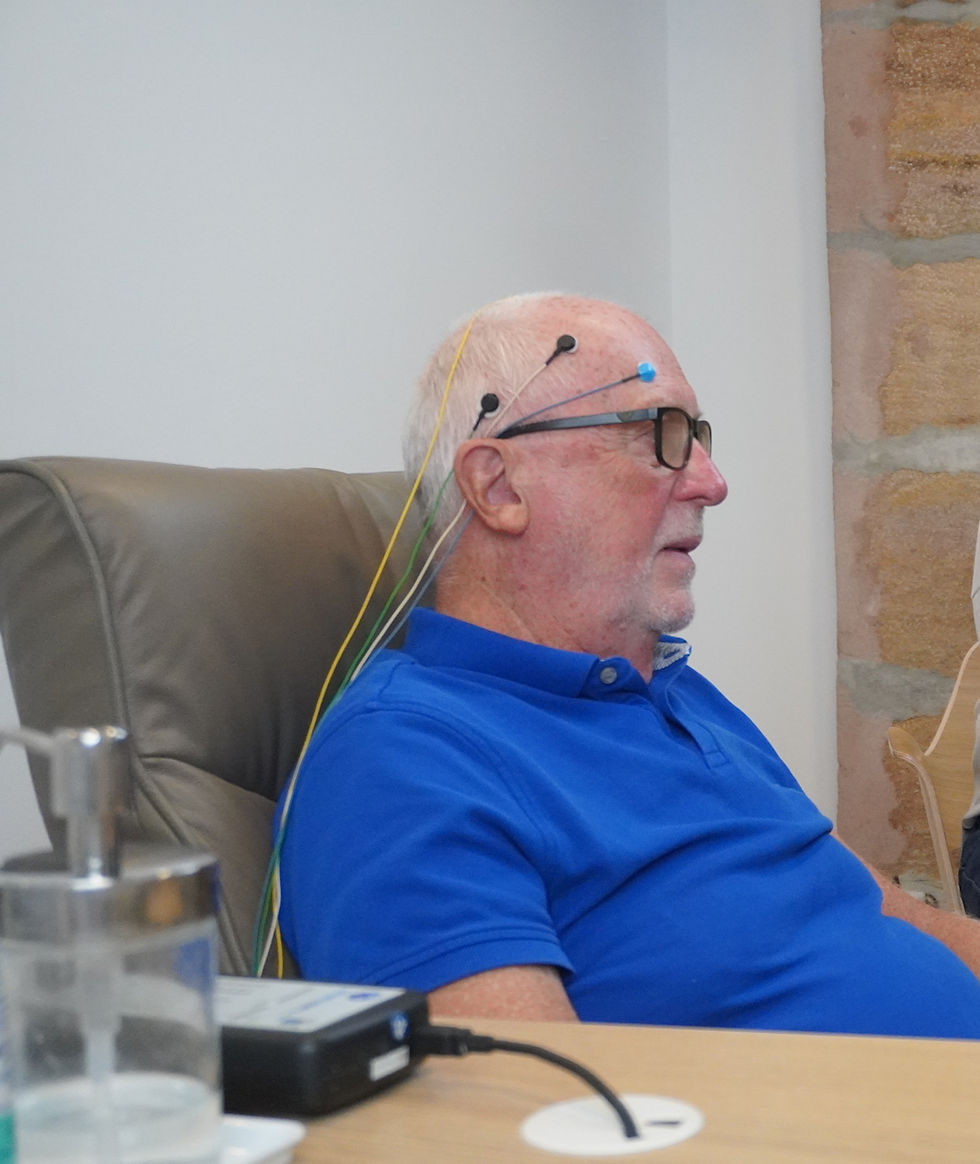
The process is passive and gentle. Sensors placed on the scalp simply read brain activity. Nothing is put into the brain.
How Does Neurofeedback Work?
Neurofeedback works through a learning process called self regulation.
Sensors monitor brainwave activity
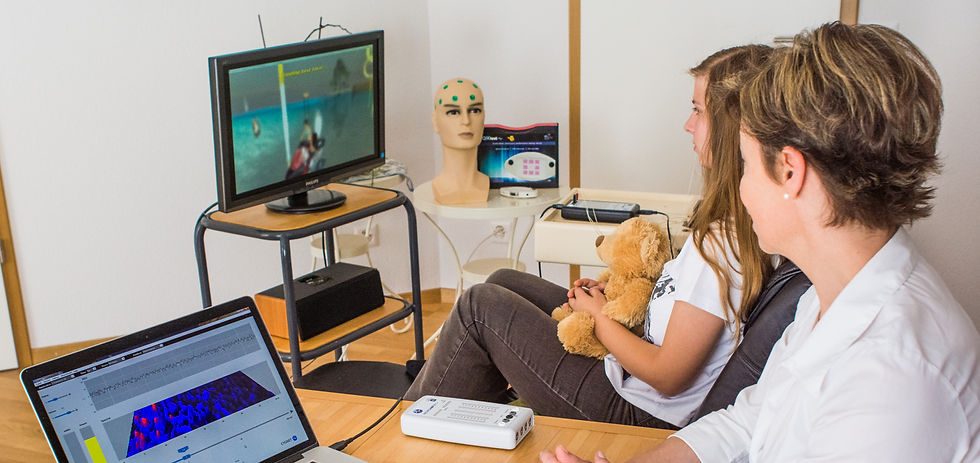
Feedback is delivered through visual or auditory cues
The brain adjusts its activity in response to this feedback over time
With repeated sessions, the brain learns to spend more time in balanced, efficient states that support focus, emotional control, and performance.
Who Can Benefit From Neurofeedback?
Neurofeedback can be helpful for a wide range of people, including:
Individuals who struggle with focus or attention
Students seeking improved concentration and learning efficiency
Professionals looking to enhance cognitive performance
Athletes wanting better mental control under pressure
People managing stress, anxiety, or emotional reactivity
It is commonly used in both clinical and performance based settings.
Key Benefits of Neurofeedback Training
Neurofeedback supports the brain’s ability to function more efficiently and flexibly.
Common benefits include:
Improved focus and sustained attention
Clearer thinking and mental clarity
Better emotional regulation
Reduced mental fatigue
Increased resilience under stress
Because the brain is learning rather than being forced to change, improvements often feel natural and integrated.
What to Expect in a Neurofeedback Session
During a session:
Sensors are placed on specific areas of the scalp
You may watch a video or listen to sounds that respond to your brain activity
Sessions are typically relaxing and require no conscious effort
Each session builds on the previous one
Most people describe sessions as calm and easy to tolerate.
Results Timeline
Results vary depending on the individual and goals, but a general pattern often looks like this:
Early sessions may bring subtle changes in focus, sleep, or mood
Continued training supports more stable and lasting improvements
A series of sessions allows the brain to consolidate new patterns
Neurofeedback is not a quick fix, but consistency matters.
Common Questions
Is neurofeedback safe?
Yes. Neurofeedback is non invasive and does not involve medication or electrical stimulation.
Do I have to try to change my brain activity?
No. The process is passive. The brain responds automatically to feedback.
How long do results last?
Many people experience lasting benefits, especially after completing a full course of training.
Key Takeaways
Neurofeedback trains the brain using real time feedback
It supports focus, emotional regulation, and cognitive performance
The process is gentle, non invasive, and medication free
Benefits build gradually with consistent training
Final Thoughts
Neurofeedback offers a structured way to help the brain function more efficiently and adaptively. Whether the goal is improved focus, better emotional balance, or enhanced performance, this form of brain training can be a valuable tool for long term cognitive health.

Comments