Neurofeedback Training: A New Hope for PTSD Recovery
Post-Traumatic Stress Disorder (PTSD) is a serious condition that affects many individuals who have faced trauma. Traditional treatments often include therapy and medication. Recently, neurofeedback training has emerged as a valuable complementary approach.
Understanding Neurofeedback
Neurofeedback, also known as EEG biofeedback, is a non-invasive therapeutic method. It helps individuals learn to regulate their brain activity. Using sensors that monitor brain waves through electroencephalography (EEG), individuals receive real-time feedback. This feedback supports them in developing healthier patterns of brain function.
How Neurofeedback Works
Neurofeedback training typically involves several steps:
Assessment: A clinician evaluates symptoms and individual needs.
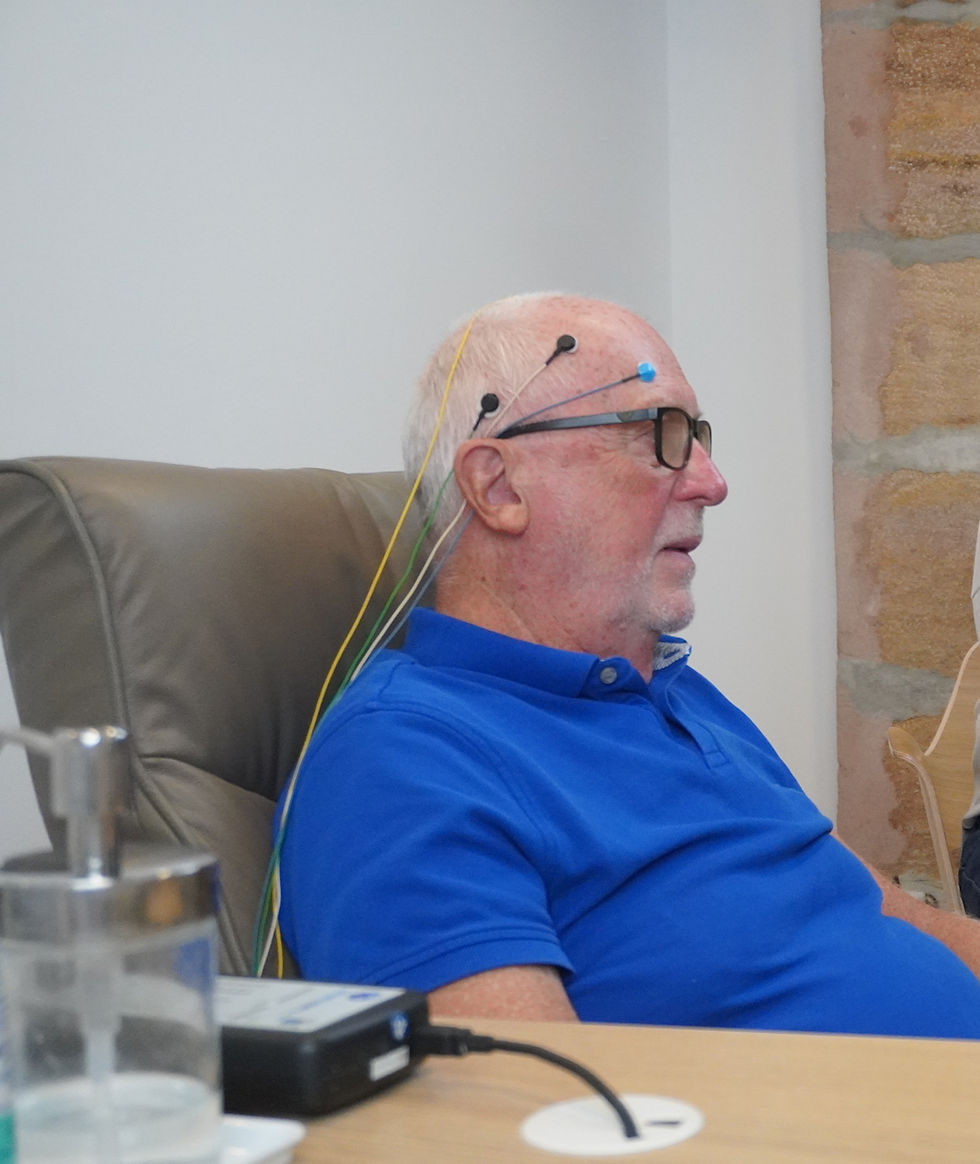
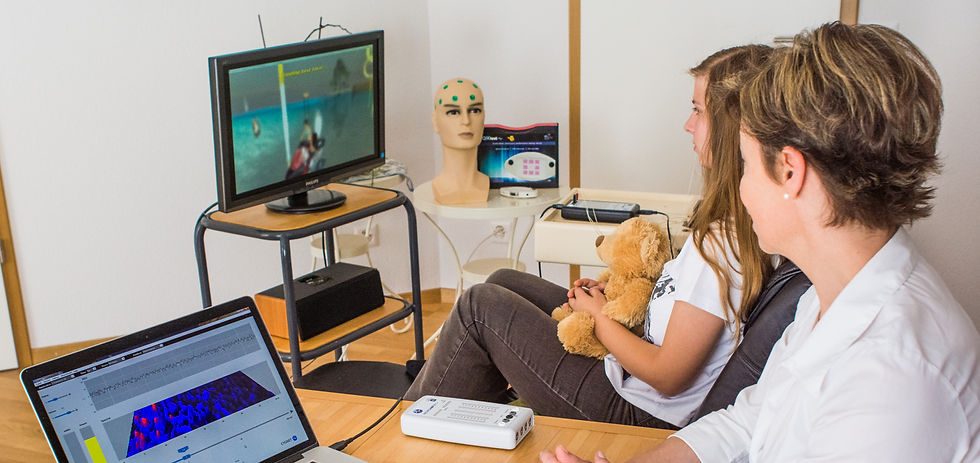
Training Sessions: Sensors placed on the scalp measure brain activity. The individual engages with videos or visuals that respond to their brain patterns.
Self-Regulation: Over time, individuals learn to reach and maintain calmer, more balanced brain states.
Progress Monitoring: Clinicians track improvements and adjust the training plan as needed.
Benefits of Neurofeedback for PTSD
Studies and clinical experience suggest that neurofeedback can support recovery from PTSD in various ways:
Reducing Anxiety: Many participants report a decrease in anxiety symptoms.
Improving Sleep: Neurofeedback may help restore disrupted sleep patterns.
Enhancing Emotional Regulation: Participants often gain greater control over stress responses and emotions.
Providing a Drug-Free Option: As a non-invasive and medication-free approach, neurofeedback appeals to those who prefer alternatives to traditional treatment.
Neurofeedback in Action: The Salvation Army Program
The Bell Shelter in Los Angeles, operated by The Salvation Army, has included neurofeedback training in its programs for veterans dealing with PTSD and substance abuse. Results have been encouraging:
PTSD and Substance Abuse: Participants showed reduced PTSD symptoms and improved recovery outcomes.
Positive Outcomes: One study at the shelter reported significant symptom reduction in all participants.
Future Expansion: The Salvation Army is exploring broader use of neurofeedback, including at Adult Rehabilitation Centers. They are also working toward recognition by the American Psychological Association as an evidence-based treatment.
The Science Behind Neurofeedback
Neurofeedback training is grounded in neuroscience. It utilizes the brain's natural ability to adapt and change, known as neuroplasticity. This process allows individuals to learn new ways of thinking and responding to stress. By engaging with neurofeedback, participants can retrain their brains to function more effectively.
Personal Stories of Transformation
Many individuals have shared their experiences with neurofeedback. They describe a journey from feeling overwhelmed by anxiety and flashbacks to achieving a sense of calm and control. These personal stories highlight the potential of neurofeedback as a transformative tool in PTSD recovery.
Future Directions in Neurofeedback Research
As interest in neurofeedback grows, research continues to explore its effectiveness. Studies are examining various applications, including its use in treating other mental health conditions. The ongoing research aims to solidify neurofeedback's place in therapeutic practices.
Conclusion
Neurofeedback training shows strong potential as a supportive tool for individuals living with PTSD. By teaching the brain to self-regulate, it can help reduce symptoms and improve quality of life. As research continues, neurofeedback may become a regular part of PTSD treatment.
If you or someone you know is exploring options for PTSD recovery, contact me today to learn more about how neurofeedback may help.

Comments